Dental Temp Agency vs Hiring In-House: What Costs Less Long-Term?
Dental Temp Agency vs Hiring In-House: What Costs Less Long-Term?
When a team member calls in sick, takes parental leave, or you suddenly have a schedule packed with hygiene, most dental practices face the same question:
Should we hire in-house, or use a dental temp agency?
At first glance, hiring in-house can seem like the cheaper option. You pay an hourly wage, add someone to payroll, and they become part of your long-term team.
But when you factor in payroll costs, CPP/EI, admin time, hiring risk, and employment law obligations, the long-term cost picture becomes much more nuanced — especially in Canada.
This article breaks down the real long-term cost differences between using a dental temp agency and hiring in-house, so you can make the right decision for your practice.
The True Cost of Hiring In-House Isn’t Just the Hourly Wage
One of the biggest mistakes practice owners make is comparing:
Temp hourly rate vs employee hourly rate
…without comparing the full cost of employment.
Hiring in-house typically includes:
- Recruiting and interviewing time
- Onboarding and training
- Payroll setup and processing
- Vacation pay and statutory holiday pay
- CPP and EI employer contributions
- T4s and year-end accounting support
- WSIB requirements (depending on your structure)
- Employment standards obligations
- Termination and severance risk
- Risk of a bad hire (and the cost to replace them)
Even if you have a great accountant, the time and admin involved in running payroll and managing employment obligations is not free — it’s just hidden.
What a Dental Temp Agency Actually Covers (And Why It Matters)
A dental temp agency isn’t just “a person for the day.” Often the same temps return to the same practices acting almost as an extension of your team without onboarding risk and costs. We like to build you a roster of dental professionals that you like working with that can fill in when you need it.
In a properly-run temp model, the agency typically handles:
- Finding and confirming the professional
- Screening and onboarding
- Last-minute replacements if needed
- Communication and logistics
- Support if issues arise
- Professional availability and reliability tracking
- Payment processing and paperwork
- (Often) faster coverage for urgent shifts
- Ability to cover long-term leaves if needed without hiring burden
For the practice owner, the benefit is simple:
You pay for coverage, not for employment.
Payroll Costs in Canada: The CPP + EI Difference
One of the biggest long-term cost advantages of using a dental temp agency in Canada is that:
Temps are not on your payroll
That means your practice typically does not pay employer contributions like:
- CPP (Canada Pension Plan)
- EI (Employment Insurance)
For employees, CPP and EI are mandatory payroll costs. They add up quickly across the year.
Why this matters:
Even if you think you’re saving money by hiring someone at a lower hourly wage, you may not be comparing apples to apples.
A lower wage + payroll burden can often end up being very similar (or more expensive) than a higher temp hourly rate — especially for part-time staff.
Less Admin, Less Accounting, Less Year-End Work
Hiring employees creates administrative workload that most practices underestimate.
When someone is on payroll, you typically need to manage:
- Pay periods and payroll processing
- Stat pay calculations
- Vacation pay tracking
- ROEs if needed
- T4s and remittances
- CRA compliance
- Employee records and documentation
By contrast, when you use a dental temp agency:
You don’t have to:
- Run payroll for that person
- Issue T4s
- Track vacation pay
- Handle EI/CPP remittances
- Add them to your internal HR systems
At year end, it’s cleaner too — fewer payroll lines, fewer remittances, and fewer compliance items.
Employment Law: The Risk Side Most Practices Don’t Consider
In Ontario (and across Canada), hiring employees creates legal obligations under employment standards.
That can include:
- Termination pay
- Severance pay (in certain cases)
- Protected leave requirements
- Misclassification risk
- Workplace policy enforcement
- Documentation obligations
Even if you’re an excellent employer, employment law risk is real — and it becomes a bigger factor as your practice grows.
With temp coverage through a dental temp agency:
You generally have less employment law exposure, because you are paying for a shift, not hiring an employee into your organization.
Hiring In-House Has Hidden Costs That Add Up Fast
Hiring in-house is not “bad” — it’s often the right decision for core long-term roles.
But it becomes expensive when you consider the hidden cost of:
1) Recruiting time
Every hour spent recruiting is time not spent on:
- production
- patient care
- case acceptance
- practice growth
2) Training time
New hires require onboarding and training. Even if they are skilled, every office is different.
3) Bad hire risk
If a hire doesn’t work out, you pay the cost twice:
- the cost to hire them
- the cost to replace them
4) Schedule gaps
Many offices hire hoping to “solve coverage long-term,” but the reality is:
- staff still get sick
- vacations still happen
- maternity leaves happen
- burnout happens
Temp coverage becomes necessary anyway.
Dental Temp Agency vs Hiring In-House: Cost Comparison Table
Here’s a simple comparison from a practice owner perspective:
| Category | Hiring In-House | Using a Dental Temp Agency |
|---|---|---|
| CPP/EI employer contributions | Yes | No |
| Payroll admin | Yes | No |
| T4s and year-end payroll work | Yes | No |
| Vacation pay tracking | Yes | No |
| Employment standards obligations | Yes | Reduced |
| Recruiting and interviewing | Yes | No |
| Training burden | Higher | Lower (short-term coverage) |
| Coverage speed | Slower | Faster |
| Risk of bad long-term hire | Higher | Lower |
| Flexibility | Medium | High |
When Hiring In-House Is Usually Cheaper Long-Term
Hiring in-house tends to be the better long-term financial decision when:
- You have stable hours (3–5 days/week consistently)
- You’re filling a core role permanently
- You have time to recruit properly
- You want full culture integration (although returning temps seem to fit a good cultural fit)
- You can afford onboarding time
A full-time employee can become more cost-effective over time because the investment in training gets “paid back”.
When a Dental Temp Agency Costs Less Long-Term (Yes, Really)
Using a dental temp agency is often more cost-effective long-term when:
You need coverage for:
- Sick calls
- Short-notice cancellations
- Vacation days
- Temporary leaves
- Maternity leaves
- Seasonal fluctuations
- Trialing someone before hiring
Even if the hourly rate is higher, the total cost is often lower because:
- you avoid payroll overhead
- you avoid CPP/EI
- you avoid recruiting time
- you reduce employment law exposure
- you reduce the cost of schedule disruption
The Biggest Long-Term Cost Isn’t the Hourly Rate — It’s the Empty Chair
There’s one cost that outweighs almost everything else:
Lost production
If a hygienist is off and you can’t fill the shift, you’re not just saving wage costs.
You’re losing:
- hygiene revenue
- potential restorative opportunities
- patient trust and retention
- rebooking momentum
For many practices, the true question isn’t:
“Is a temp more expensive?”
It’s:
“What does it cost us when we don’t have coverage?”
A Smart Hybrid Strategy Most Successful Practices Use
Many of the best-run practices use a hybrid model:
1) Hire core roles in-house
Your primary hygienists, assistants, and admin staff.
2) Use a dental temp agency to protect the schedule
For sick calls, vacations, leaves, and overflow.
This approach reduces stress, reduces cancellations, and protects patient experience — without forcing you into over-hiring.
Can a Temp Become a Permanent Hire?
Yes — and this is one of the most overlooked advantages.
Many practices use temping as a “working interview.”
You get to see:
- punctuality
- clinical standards
- patient interaction
- pace and workflow
- how they fit with the team
Then, if it’s a great match, you can move forward with a permanent hire with far less risk.
Final Verdict: What Costs Less Long-Term?
There’s no one-size-fits-all answer.
But in many Ontario dental practices, a dental temp agency is the lower-cost option long-term when you account for:
- no CPP/EI matching
- no payroll admin
- no year-end payroll burden
- less employment law exposure
- faster coverage
- less recruiting time
- reduced schedule disruption
Hiring in-house becomes more cost-effective when the role is stable, long-term, and predictable.
Need Reliable Coverage in Southern Ontario?
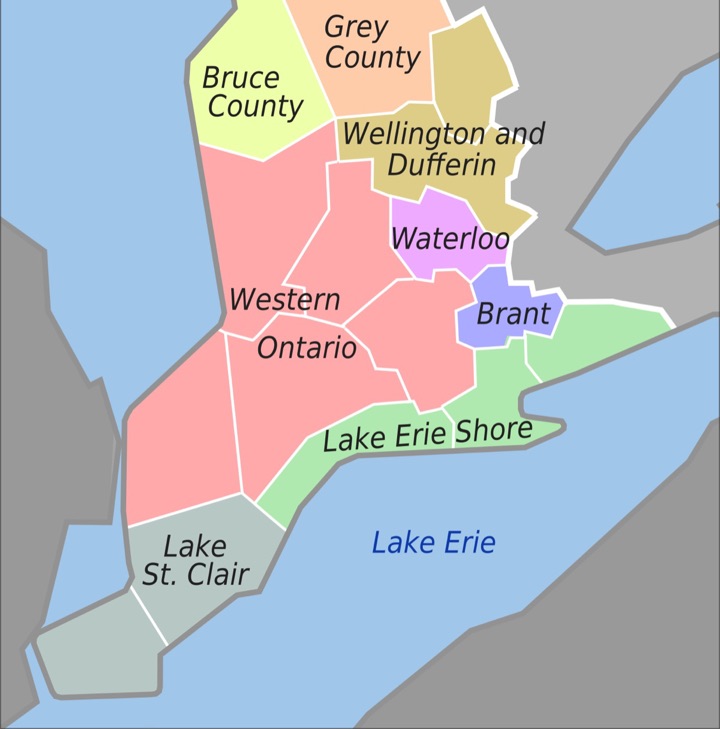
Southern Ontario Dental Temps helps practices fill shifts quickly with experienced dental professionals across:
- Dental hygienists
- Dental assistants
- Reception/admin coverage
Whether you need a same-day fill or want to build a more resilient staffing system, we can help.